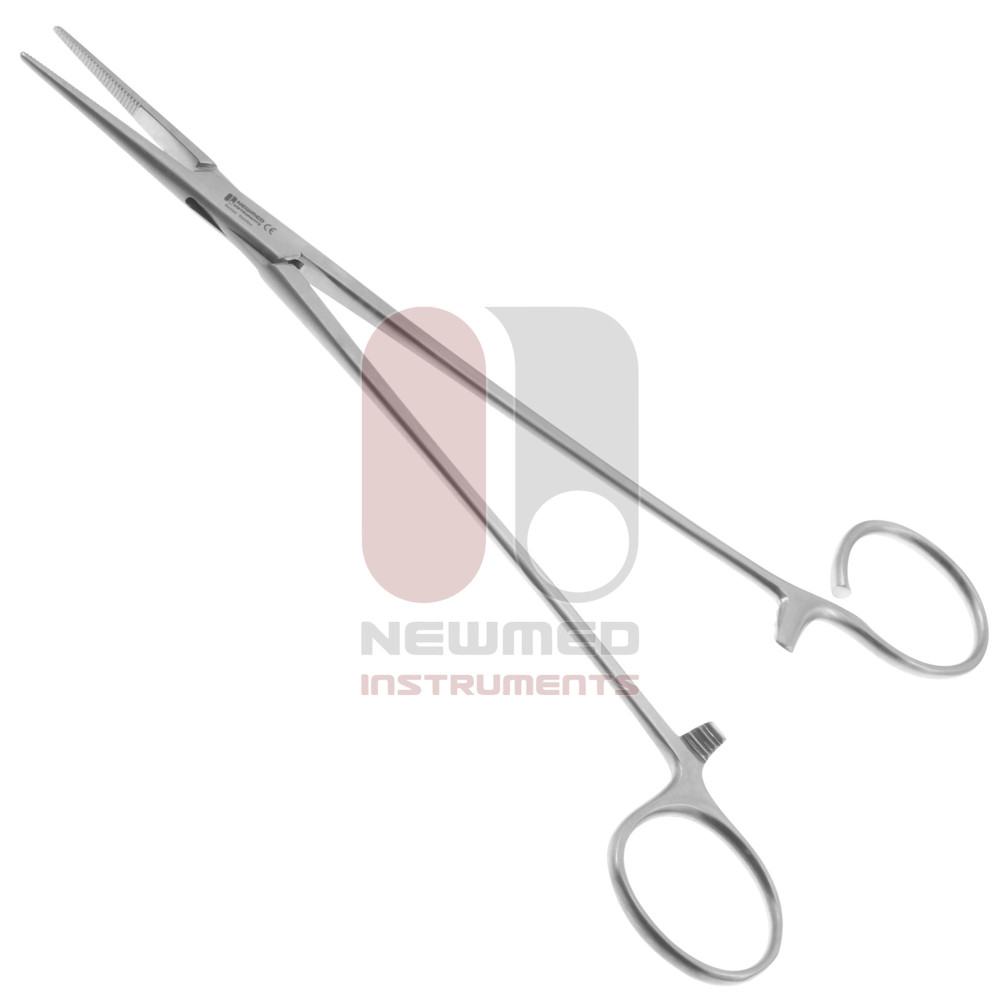
In the demanding environment of the operating room, every instrument plays a critical role in the success of a procedure and the well-being of a patient. Among the vast array of surgical tools, the schnidt forceps stand out for their unique design and indispensable function. These hemostatic forceps, often referred to as Schnidt tonsil forceps, are renowned for their delicate, curved jaws, which allow surgeons to navigate tight spaces and clamp vessels with exceptional precision. Their utility extends across numerous surgical specialties, making them a fundamental component of any well-equipped surgical tray. For medical professionals who demand excellence, understanding the nuances of this tool is essential.
Design and Ergonomic Advantage
The specific design of the schnidt forceps is what sets them apart. Characterized by their long shanks and finely serrated, partially curved jaws, they provide an optimal balance of length and maneuverability. This design allows surgeons to reach deep-seated blood vessels without obstructing their view of the surgical field. The ergonomic finger-ring handles ensure a secure grip and precise control, reducing hand fatigue during prolonged and complex operations. This thoughtful construction is vital for procedures where even the slightest miscalculation can have significant consequences, reinforcing the need for high-quality, reliable instrumentation.
Versatility in Surgical Applications
While originally prominent in tonsillectomies for clamping vessels in the tonsillar fossa, the application of schnidt forceps has expanded significantly. Surgeons in general, vascular, and thoracic surgery frequently rely on them for dissecting soft tissues and clamping small to medium-sized vessels. Their delicate tips are perfect for creating passages through tissue planes or for grasping and holding fine structures like nerves and ducts during dissection. This versatility makes them an invaluable asset, adaptable to a wide range of clinical scenarios that require both finesse and firm hemostasis.
The Importance of High-Quality Materials and Manufacturing
The performance of any surgical instrument is directly tied to the quality of its materials and the precision of its manufacturing. For a tool like the schnidt forceps, which is used in delicate and critical tasks, this is non-negotiable. Premium-grade stainless steel ensures durability, corrosion resistance, and the ability to withstand repeated sterilization cycles without compromising structural integrity. At New Med Instruments, we recognize that surgeons, students, and healthcare professionals depend on their tools for perfect and precise results. We are committed to providing superior surgical instruments that meet the highest standards of craftsmanship, empowering medical experts to deliver the best possible care for their patients.
Proper Care and Sterilization for Longevity
To ensure the continued reliability and safety of surgical tools, proper maintenance is paramount. The longevity and effectiveness of surgical forceps depend on adherence to strict cleaning and sterilization protocols. Immediately after use, the instruments should be rinsed to remove gross contaminants before undergoing a thorough cleaning process, either manually or with an ultrasonic cleaner. Following cleaning, proper sterilization, typically through autoclaving, must be performed according to institutional guidelines. Careful handling and routine inspection for any signs of wear, damage, or corrosion will guarantee that these essential instruments remain in optimal condition for every procedure.
Conclusion: An Essential Instrument for Surgical Precision
The schnidt forceps are more than just a tool; they are an extension of the surgeon's hands, enabling delicate maneuvers and critical hemostasis in complex surgical fields. Their unique design, versatility across specialties, and reliance on superior manufacturing underscore their importance in modern medicine. For healthcare professionals dedicated to achieving flawless outcomes, having access to high-quality, dependable instruments is fundamental. The continued relevance of these forceps in operating rooms worldwide is a testament to their timeless design and essential function in promoting patient safety and surgical success.